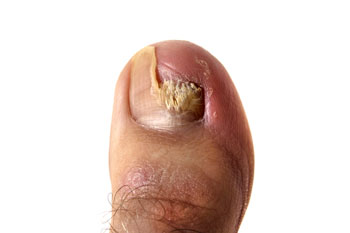
Onychomycosis (Fungal Toenail Infection)
Onychomycosis is a common fungal infection of the toenails that can cause nails to become thickened, discolored, brittle, and difficult to manage. While often considered a cosmetic concern, fungal nail infections can progress over time and may lead to discomfort, secondary infections, or complications—particularly in individuals with underlying health conditions.
What Causes Fungal Toenail Infections?
Onychomycosis is typically caused by dermatophyte fungi, though yeasts and molds can also be responsible. These organisms thrive in warm, moist environments and can enter the nail through small cracks in the nail or surrounding skin.
Common sources and risk factors include:
- Walking barefoot in public places such as pools, locker rooms, and gyms
- Excessive sweating or consistently damp footwear
- Tight or poorly ventilated shoes
- Nail trauma or damage
- Pre-existing skin conditions, such as athlete’s foot
- Reduced circulation or immune function
- Advancing age
Once established, fungal infections can be persistent and may spread to other nails if left untreated.
Prevention Strategies
Reducing your risk of developing onychomycosis involves consistent foot care and hygiene practices:
- Keep feet clean and thoroughly dry, especially between the toes
- Wear breathable footwear and moisture-wicking socks
- Change socks regularly, particularly after exercise
- Avoid walking barefoot in communal areas
- Trim nails straight across and keep them at a moderate length
- Disinfect nail tools and avoid sharing them
- Treat athlete’s foot promptly to prevent spread to the nails
Treatment Options
Treatment for onychomycosis depends on the severity of the infection, the number of nails involved, and your overall health. At Aurora Foot & Ankle Clinic, we offer a range of effective treatment options tailored to your needs:
Topical Treatments
Prescription antifungal lacquers or solutions may be used for mild to moderate infections. These require consistent application over several months and are most effective in early-stage cases.
Oral Medications
Oral antifungal medications can be effective for more advanced infections, working from within the body to eliminate the fungus. These are prescribed after careful assessment and may require monitoring.
Nail Care & Debridement
Routine reduction and thinning of the affected nail by a podiatrist can improve comfort and enhance the effectiveness of other treatments.
Lunula Laser Therapy
The Lunula Laser is a non-invasive, pain-free treatment that uses low-level laser energy to target fungal infections beneath the nail without damaging surrounding tissue. This advanced technology works by improving circulation and creating an environment that inhibits fungal growth. Benefits of Lunula Laser treatment include:
- No discomfort or downtime
- No systemic side effects
- Safe for a wide range of patients
- Convenient, in-office sessions
Multiple sessions may be recommended depending on the severity of the infection, and results improve gradually as healthy nail grows out.
When to Seek Treatment
If you notice changes in your toenails—such as discoloration, thickening, or brittleness—it’s important to seek professional evaluation early. Prompt treatment can improve outcomes and help prevent the infection from spreading.
At Aurora Foot & Ankle Clinic, our podiatrists provide comprehensive assessment and personalized treatment plans to effectively manage fungal toenail infections and restore nail health.
Contact us today to schedule your consultation and explore the treatment options best suited for you.
Ready to treat toenail fungus? Click here to learn more about LaLuna Laser treatment options.
