First-step pain is a classic symptom of unilateral plantar fasciopathy. This condition affects one foot and causes sharp discomfort with the first steps in the morning or after periods of rest. The plantar fascia is a thick, fibrous band of tissue that supports the arch and connects the heel bone to the toes. When it becomes irritated or inflamed, it leads to localized heel pain that often improves slightly with movement but can return after prolonged standing or walking. This condition is common among adults who are active, on their feet for long hours, or wearing improper footwear.
Symptoms typically include stabbing pain at the bottom of the heel, tenderness along the arch, and stiffness after inactivity. The discomfort is usually more pronounced in one foot, which distinguishes unilateral plantar fasciopathy from conditions that affect both feet. Risk factors include flat feet, high arches, obesity, and tight calf muscles. Occupations that require repetitive impact or standing may contribute. Wearing unsupportive shoes or walking barefoot on hard surfaces can worsen symptoms. Sudden increases in activity level or changes in exercise routines can also contribute to the development of this condition.
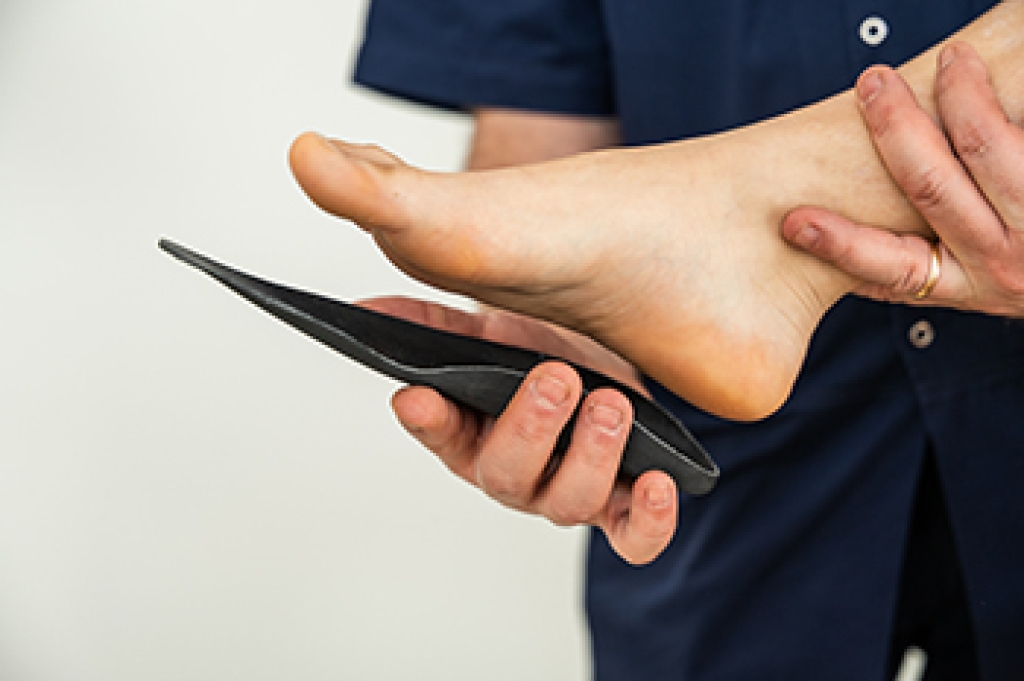
Orthotics play an important role in managing first-step pain by improving foot alignment and reducing strain on the plantar fascia. Custom orthotics help distribute pressure evenly across the foot, support the arch, and cushion the heel. By stabilizing abnormal foot mechanics, orthotics can reduce inflammation and allow the fascia to heal more effectively. They also help prevent recurrence by addressing underlying biomechanical issues, such as overpronation or uneven weight distribution.
Addressing first-step pain early can prevent chronic discomfort and long-term damage. Conservative care like stretching, wearing supportive footwear, and orthotic use often leads to significant improvement. If you have first-step pain and want to know how orthotics can help, it is suggested that you consult a podiatrist for effective relief and treatment solutions, which may include custom made orthotics.
Custom orthotics play an important role in preventing and treating foot and ankle injuries by providing personalized support that aligns with the unique structure of each foot. These specially designed devices help correct biomechanical imbalances, reduce pressure on sensitive areas, and improve stability during movement. When the feet are properly supported, the risk of developing conditions such as plantar fasciitis, Achilles tendinitis, and ankle sprains can be significantly reduced. Custom orthotics also help relieve discomfort caused by having flat feet, high arches, or uneven leg length, which may contribute to recurring injuries or pain.
Foot and ankle injuries can develop gradually from repetitive strain or occur suddenly during physical activity. Without proper treatment, these injuries can affect mobility and overall quality of life. Orthotics work to redistribute weight evenly across the foot, allowing joints and muscles to function more efficiently. This not only supports recovery from injury but can also prevent future problems by promoting better posture and alignment throughout the lower body.
Unlike over-the-counter inserts, custom orthotics are designed based on a detailed evaluation of each patient’s foot structure, gait, and medical needs. Podiatrists use advanced imaging and diagnostic tools to create orthotics that fit precisely and provide targeted correction. Whether used in everyday footwear or athletic shoes, custom orthotics can improve comfort, enhance performance, and support long-term foot health.
If you are experiencing foot or ankle pain or have sustained an injury that has not improved with rest, it is suggested that you schedule an appointment with a podiatrist. Call our office for more information or to make an appointment.
If you have any questions, please feel free to contact our office located in Langley, BC .
