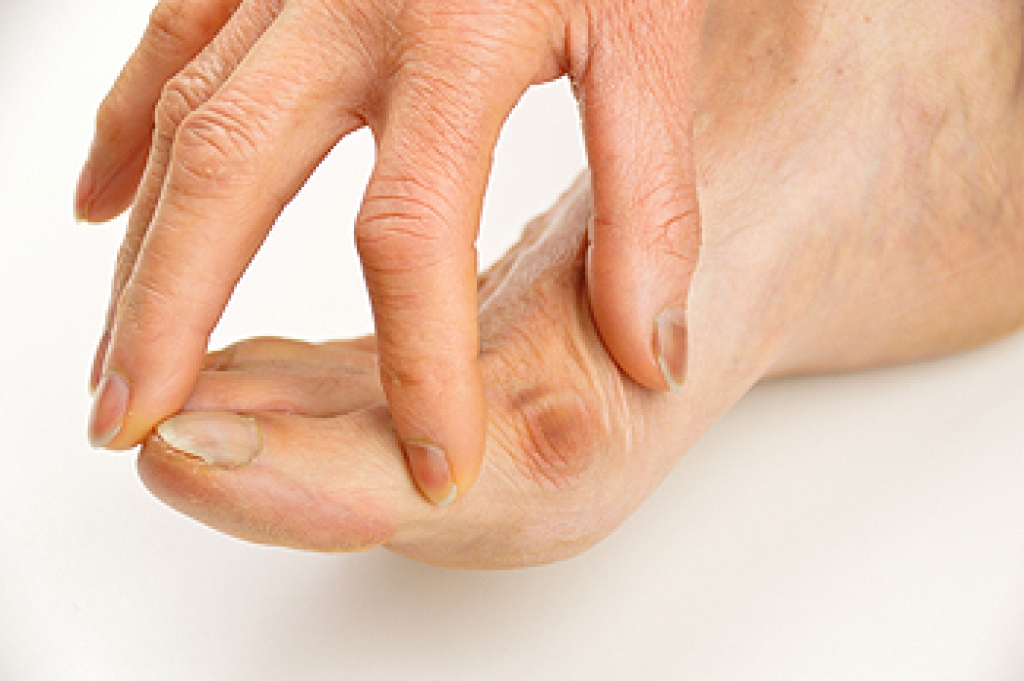
Possible Relief Methods For Bunions

A bunion is defined as a bone that grows on the side of the big toe. It is often a nuisance, and wearing shoes may become difficult. Symptoms can include redness, swelling, and corns that may form on top of the bunion as a result of excess friction. The common reason patients may develop bunions is wearing shoes that do not have adequate room for the toes to move freely in, or bunions may form due to genetics. Some patients find mild relief when a protective pad is worn over the bunion, and when supportive shoes are worn. Additionally, wearing custom made orthotics may bring the relief that is needed. In severe cases, surgery may be an option to consider for permanent removal. If you have bunions, it is suggested that you visit a podiatrist.

If you are suffering from bunions, contact One of our podiatrists of Aurora Foot & Ankle Clinic. Our doctors can provide the care you need to keep you pain-free and on your feet.

What Is a Bunion?

A bunion is formed of swollen tissue or an enlargement of boney growth, usually located at the base joint of the toe that connects to the foot. The swelling occurs due to the bones in the big toe shifting inward, which impacts the other toes of the foot. This causes the area around the base of the big toe to become inflamed and painful.

Why Do Bunions Form?

Genetics – Susceptibility to bunions are often hereditary

Stress on the feet – Poorly fitted and uncomfortable footwear that places stress on feet, such as heels, can worsen existing bunions

How Are Bunions Diagnosed?

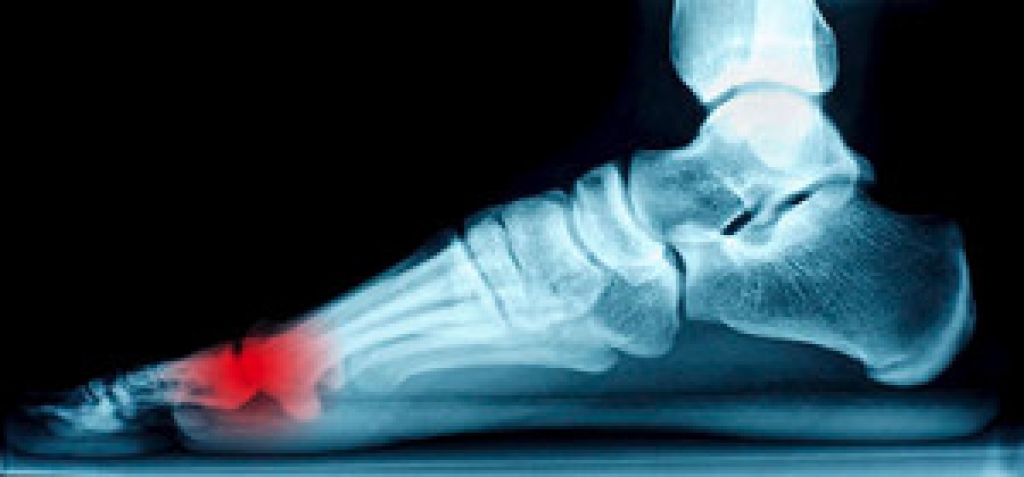
Podiatrists often perform two tests – blood tests and x-rays – when trying to diagnose bunions, especially in the early stages of development. Blood tests help determine if the foot pain is being caused by something else, such as arthritis, while x-rays provide a clear picture of your bone structure to your provider.

How Are Bunions Treated?

  • Refrain from wearing heels or similar shoes that cause discomfort
  • Select wider shoes that can provide more comfort and reduce pain
  • Anti-inflammatory and pain management drugs
  • Orthotics or foot inserts
  • Surgery

If you have any questions, please feel free to contact our office located in Langley, BC . We offer the newest diagnostic and treatment technologies for all your foot care needs.
Read more about Bunions

Sesamoiditis and Runners

Sesamoiditis is a common condition among athletes, specifically runners. This condition can occur when there is inflammation present in the tendons of the foot. When sesamoiditis has developed, runners may experience pain in the balls of their feet. Some have described the condition as feeling like they have a rock stuck in their shoe. A sharp or burning sensation in the toe area can also be indicative of sesamoiditis. For a proper diagnosis, and advice on running techniques to prevent his condition, please speak with a podiatrist.

Sesamoiditis is an unpleasant foot condition characterized by pain in the balls of the feet. If you think you’re struggling with sesamoiditis, contact One of our podiatrists of Aurora Foot & Ankle Clinic. Our doctors will treat your condition thoroughly and effectively.

Sesamoiditis

Sesamoiditis is a condition of the foot that affects the ball of the foot. It is more common in younger people than it is in older people. It can also occur with people who have begun a new exercise program, since their bodies are adjusting to the new physical regimen. Pain may also be caused by the inflammation of tendons surrounding the bones. It is important to seek treatment in its early stages because if you ignore the pain, this condition can lead to more serious problems such as severe irritation and bone fractures.

Causes of Sesamoiditis

  • Sudden increase in activity
  • Increase in physically strenuous movement without a proper warm up or build up
  • Foot structure: those who have smaller, bonier feet or those with a high arch may be more susceptible

Treatment for sesamoiditis is non-invasive and simple. Doctors may recommend a strict rest period where the patient forgoes most physical activity. This will help give the patient time to heal their feet through limited activity. For serious cases, it is best to speak with your doctor to determine a treatment option that will help your specific needs.

If you have any questions, please feel free to contact our office located in Langley, BC . We offer the newest diagnostic and treatment technologies for all your foot care needs.

Read more about Sesamoiditis

Different Types of Diabetic Foot Ulcers

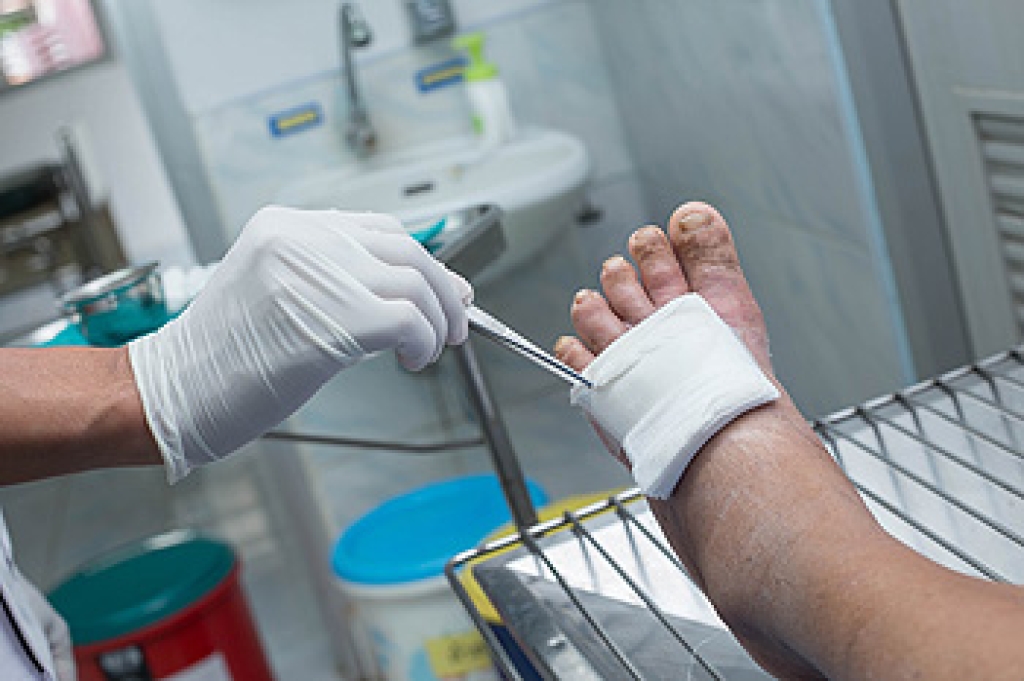
Diabetic foot ulcers are slow healing wounds that appear on the feet of individuals with diabetes and can become a very serious health issue. Almost a quarter of all individuals diagnosed with diabetes will develop a foot ulcer at some point in their life. There are several types of diabetic foot ulcers, and knowing which type you have can help determine the most effective treatment. Neuropathic ulcers occur when nerve damage from diabetic neuropathy prevents the patient with diabetes from feeling pain from an injury. This allows the wound to progress before you are even aware of it, increasing the risk of infection. Ischemic ulcers may be caused by a lack of blood flow to the feet. These types of ulcers are often difficult to heal. Neuroischemic ulcers are the most difficult to heal and occur in individuals who have both neuropathy and poor circulation. Infected wounds occur in half of diabetic patients with foot ulcers, and require close medical attention. If you have diabetic foot ulcers, it is highly recommended that you are under the care of a podiatrist who can help you look after your wounds and prevent severe complications.  

Wound care is an important part in dealing with diabetes. If you have diabetes and a foot wound or would like more information about wound care for diabetics, consult with One of our podiatrists from Aurora Foot & Ankle Clinic. Our doctors will assess your condition and provide you with quality foot and ankle treatment.

What Is Wound Care?

Wound care is the practice of taking proper care of a wound. This can range from the smallest to the largest of wounds. While everyone can benefit from proper wound care, it is much more important for diabetics. Diabetics often suffer from poor blood circulation which causes wounds to heal much slower than they would in a non-diabetic. 

What Is the Importance of Wound Care?

While it may not seem apparent with small ulcers on the foot, for diabetics, any size ulcer can become infected. Diabetics often also suffer from neuropathy, or nerve loss. This means they might not even feel when they have an ulcer on their foot. If the wound becomes severely infected, amputation may be necessary. Therefore, it is of the upmost importance to properly care for any and all foot wounds.

How to Care for Wounds

The best way to care for foot wounds is to prevent them. For diabetics, this means daily inspections of the feet for any signs of abnormalities or ulcers. It is also recommended to see a podiatrist several times a year for a foot inspection. If you do have an ulcer, run the wound under water to clear dirt from the wound; then apply antibiotic ointment to the wound and cover with a bandage. Bandages should be changed daily and keeping pressure off the wound is smart. It is advised to see a podiatrist, who can keep an eye on it.

If you have any questions please contact our office located in Langley, BC . We offer the newest diagnostic and treatment technologies for all your foot and ankle needs.

Read more about Wound Care

Reasons to Visit a Podiatrist

Podiatrists are trained to assess and manage a variety of foot related issues. A podiatrist’s primary role is to look for the mechanical issue that is causing pain. One common issue to have a podiatrist look at are bone deformities such as bunions and hammertoes. Another complex but critical issue that a podiatrist will be needed for is heel pain. Heel pain can be caused by plantar fasciitis, wearing of the fat pad on the heel, or a heel spur. Skin and nail conditions on the foot, such as corns, blisters, ingrown toenails or fungal nail infections, are also issues that are treated by podiatrists. Lastly, patients with diabetes will likely need help from a podiatrist in managing potential issues with the feet that may worsen. If you are experiencing foot issues, make sure to consult with a podiatrist for a proper diagnosis and treatment plan.

If you are experiencing pain in the feet or ankles, don’t join the stubborn majority refusing treatment. Feel free to contact One of our podiatrists from Aurora Foot & Ankle Clinic. Our doctors can provide the care you need to keep you pain-free and on your feet.

What Is a Podiatrist?

Someone would seek the care of a podiatrist if they have suffered a foot injury or have common foot ailments such as heal spurs, bunions, arch problems, deformities, ingrown toenails, corns, foot and ankle problems, etc.

Podiatric Treatment

A podiatrist will treat the problematic areas of the feet, ankle or lower leg by prescribing the following:

  • Physical therapy
  • Drugs
  • Orthotic inserts or soles
  • Surgery on lower extremity fractures

A common podiatric procedure a podiatrist will use is a scanner or force plate which will allow the podiatrist to know the designs of orthotics. Patients are then told to follow a series of tasks to complete the treatment. The computer will scan the foot a see which areas show weight distribution and pressure points. The podiatrist will read the analysis and then determine which treatment plans are available.

If you have any questions, please feel free to contact our office located in Langley, BC . We offer the newest diagnostic and treatment technologies for all your foot care needs.

Read more about What is a Podiatrist?