If you're suffering from an ankle fracture, professional attention shouldn't wait. Fractures may worsen over time and can make completing everyday activities incredibly difficult. See your specialist for treatment and guidance through the healing process.
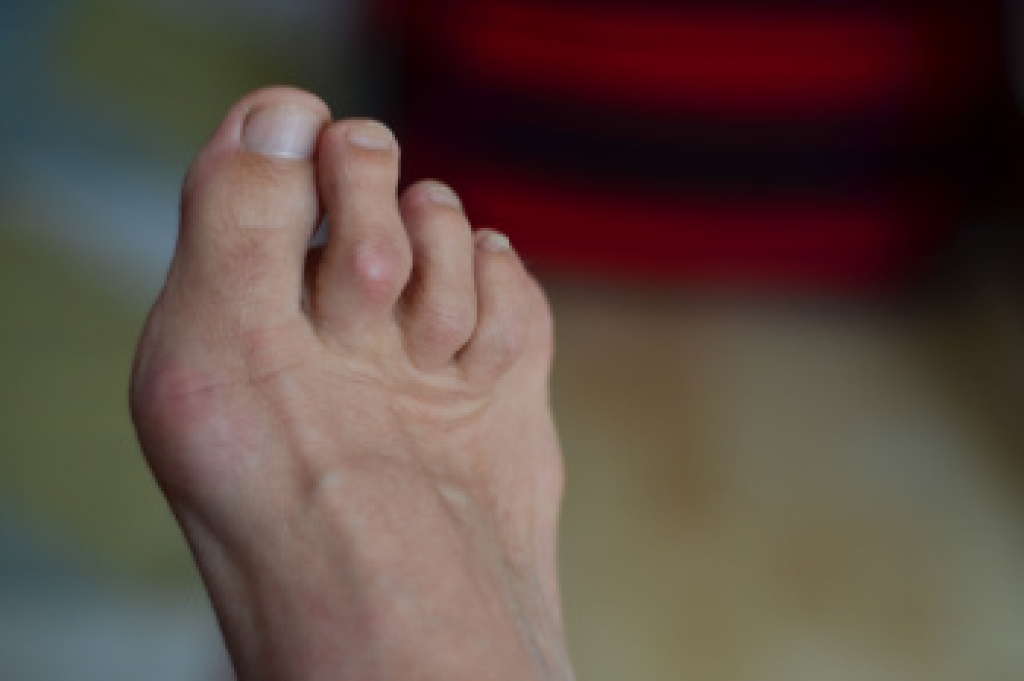
Hammertoe is a foot deformity that causes one or more toes to bend downward at the middle joint, creating a curled or claw-like appearance. This condition most often affects the second, third, or fourth toes and develops when the muscles, tendons, and ligaments surrounding the toe become unbalanced. A tendon imbalance can pull the toe joint out of its normal position, causing misalignment of the joint surfaces and gradual changes in toe structure. While hammertoe may begin as a flexible deformity, it can become rigid over time and lead to ongoing discomfort.
Symptoms of hammertoe can vary depending on the severity of the condition. Many people experience pain while wearing shoes because the bent toe rubs against the inside of footwear, creating pressure points. Additional symptoms include swelling, redness, and difficulty moving the affected toe. As the toe becomes more fixed, finding comfortable shoes may become increasingly challenging.
Several factors can increase the risk of developing hammertoe. Wearing tight-fitting shoes, narrow toe-box footwear, or high heels can place excessive pressure on the toes and contribute to deformity. Foot structure, genetics, and muscle imbalance, may also increase the likelihood of developing this condition. Previous toe injuries can also be a factor. Certain medical conditions, including rheumatoid arthritis, can affect the joints and contribute to toe misalignment. Injuries that damage the muscles, tendons, or ligaments of the foot may also interfere with normal toe movement and alignment.
A podiatrist can evaluate hammertoe by examining the foot, reviewing symptoms, and determining whether the deformity is flexible or rigid. Treatment options include footwear changes, padding, and stretching exercises. Custom orthotics and other conservative approaches are designed to reduce pressure and improve foot function. More advanced cases may require surgery to restore proper toe alignment and relieve pain. If you have developed hammertoe, it is suggested that you consult a podiatrist for effective relief and management solutions.
Hammertoe
Hammertoes can be a painful condition to live with. For more information, contact One of our podiatrists from Aurora Foot & Ankle Clinic. Our doctors will answer any of your foot- and ankle-related questions.
Hammertoe is a foot deformity that affects the joints of the second, third, fourth, or fifth toes of your feet. It is a painful foot condition in which these toes curl and arch up, which can often lead to pain when wearing footwear.
Symptoms
Pain in the affected toes
Development of corns or calluses due to friction
Inflammation
Redness
Contracture of the toes
Causes
Genetics – People who are genetically predisposed to hammertoe are often more susceptible
Arthritis – Because arthritis affects the joints in your toes, further deformities stemming from arthritis can occur
Trauma – Direct trauma to the toes could potentially lead to hammertoe
Ill-fitting shoes – Undue pressure on the front of the toes from ill-fitting shoes can potentially lead to the development of hammertoe
Treatment
Orthotics – Custom made inserts can be used to help relieve pressure placed on the toes and therefore relieve some of the pain associated with it
Medications – Oral medications such as anti-inflammatories or NSAIDs could be used to treat the pain and inflammation hammertoes causes. Injections of corticosteroids are also sometimes used
Surgery – In more severe cases where the hammertoes have become more rigid, foot surgery is a potential option
If you have any questions, please feel free to contact our office located in Langley, BC. We offer the newest diagnostic and treatment technologies for all your foot care needs.
Age gracefully and move freely with Custom Orthotics. For seniors seeking to maintain their independence, Custom Orthotics offer the stability and comfort essential for daily activities. Custom-tailored to your feet, they provide support, reduce pain, and enhance mobility, ensuring you're always on sure footing. Don't let age-related foot concerns hold you back. With Custom Orthotics, embrace every golden moment with confidence. Call today to schedule an appointment.
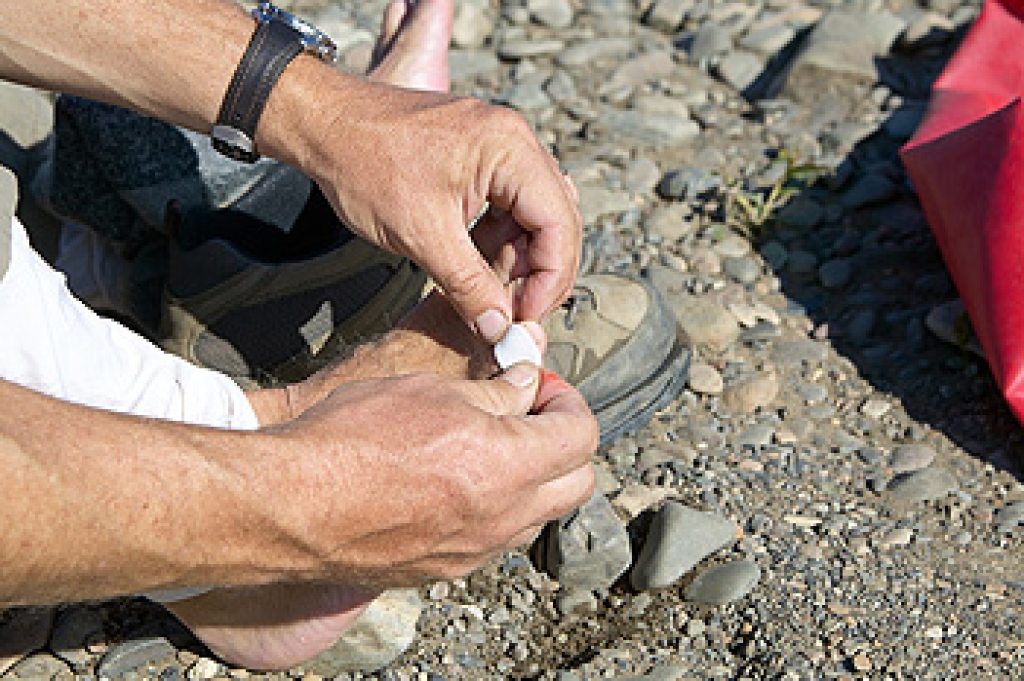
Toe pain during hiking can result from repeated impact, friction, and pressure placed on the feet over time. One of the most common causes is hiker’s toenail, a condition where the nail becomes damaged due to constant contact with the inside of the boot. This issue is especially common during long hikes or steep descents, where the toes are pushed forward repeatedly. Recognizing the definition and causes of hiking-related toe pain can help individuals take steps to prevent discomfort and injury.
Common symptoms include aching pain, swelling, redness, and sensitivity in the toes. Hikers may also notice darkened toenails, which can indicate bruising beneath the nail surface. Risk factors include poorly fitted hiking boots, long or uneven toenails, and excessive moisture within the shoe. These factors increase friction and pressure, leading to irritation and potential nail damage. Carrying heavy loads or hiking on rugged terrain can further increase stress on the toes.
Proper preparation plays a key role in preventing toe injuries. Trimming toenails before a hike helps reduce the chance of nail impact against the boot. Selecting well-fitted hiking boots with adequate toe space allows for natural movement and reduces pressure. Secure lacing can prevent the foot from sliding forward, especially on downhill paths. Moisture control through breathable socks can also help minimize friction and protect the skin from irritation.
Maintaining healthy feet is essential for safe and enjoyable hiking. Addressing risk factors and using proper gear can significantly reduce the likelihood of toe pain. These steps support comfort and help prevent long-term issues. If you have toe pain from hiking or signs of hiker’s toenail, it is suggested that you consult a podiatrist for effective relief and treatment solutions.
Toe pain can disrupt your daily activities. If you have any concerns, contact One of our podiatrists of Aurora Foot & Ankle Clinic. Our doctors can provide the care you need to keep you pain-free and on your feet.
What Causes Toe Pain?
Most severe toe pain is caused due to a sports injury, trauma from dropping something heavy on the toe, or bumping into something rigid. Other problems can develop over time for various reasons.
Toe pain can be caused by one or more ailments. The most common include:
Trauma
Sports injury
Wearing shoes that are too tight
Arthritis
Gout
Corns and calluses
Hammertoe
Bunions
Blisters
Ingrown toenails
Sprains
Fractures (broken bones)
Dislocations
When to See a Podiatrist
Severe pain
Persistent pain that lasts more than a week
Signs of infection
Continued swelling
Pain that prevents walking
Diagnosis
In many cases the cause of toe pain is obvious, but in others, a podiatrist may want to use more advanced methods to determine the problem. These can range from simple visual inspections and sensation tests to X-rays and MRI scans. Prior medical history, family medical history, and any recent physical traumatic events will all be taken into consideration for a proper diagnosis.
Treatment
Treatments for toe pain and injuries vary and may include shoe inserts, padding, taping, medicines, injections, and in some cases, surgery. If you believe that you have broken a toe, please see a podiatrist as soon as possible.
If you have any questions please contact our office located in Langley, BC. We offer the newest diagnostic and treatment technologies for all your foot and ankle needs.
First-step pain is a classic symptom of unilateral plantar fasciopathy. This condition affects one foot and causes sharp discomfort with the first steps in the morning or after periods of rest. The plantar fascia is a thick, fibrous band of tissue that supports the arch and connects the heel bone to the toes. When it becomes irritated or inflamed, it leads to localized heel pain that often improves slightly with movement but can return after prolonged standing or walking. This condition is common among adults who are active, on their feet for long hours, or wearing improper footwear.
Symptoms typically include stabbing pain at the bottom of the heel, tenderness along the arch, and stiffness after inactivity. The discomfort is usually more pronounced in one foot, which distinguishes unilateral plantar fasciopathy from conditions that affect both feet. Risk factors include flat feet, high arches, obesity, and tight calf muscles. Occupations that require repetitive impact or standing may contribute. Wearing unsupportive shoes or walking barefoot on hard surfaces can worsen symptoms. Sudden increases in activity level or changes in exercise routines can also contribute to the development of this condition.
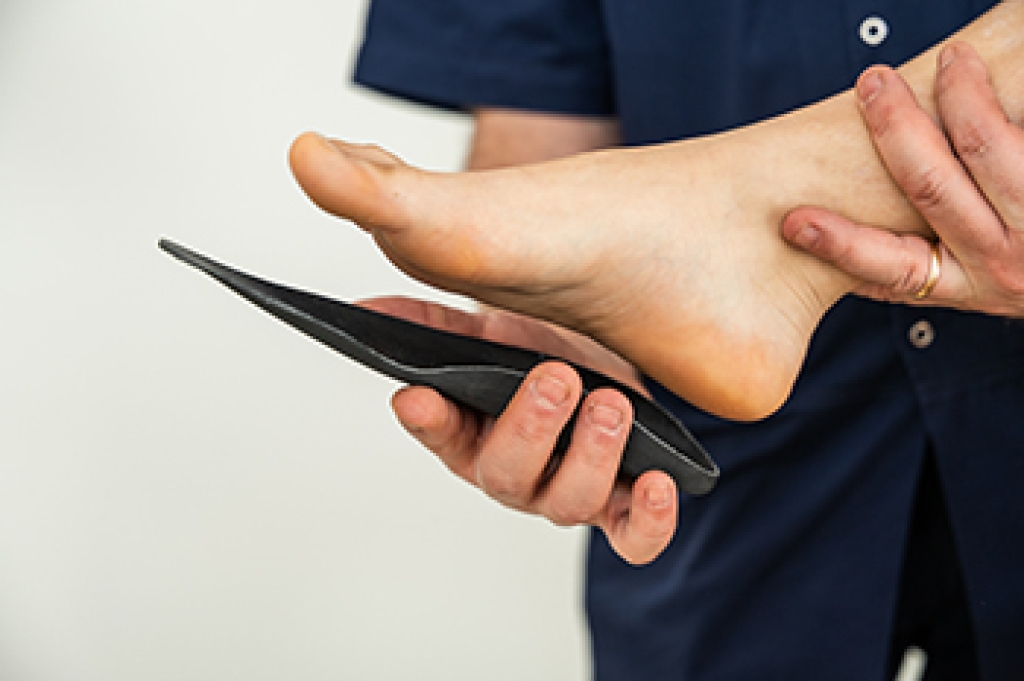
Orthotics play an important role in managing first-step pain by improving foot alignment and reducing strain on the plantar fascia. Custom orthotics help distribute pressure evenly across the foot, support the arch, and cushion the heel. By stabilizing abnormal foot mechanics, orthotics can reduce inflammation and allow the fascia to heal more effectively. They also help prevent recurrence by addressing underlying biomechanical issues, such as overpronation or uneven weight distribution.
Addressing first-step pain early can prevent chronic discomfort and long-term damage. Conservative care like stretching, wearing supportive footwear, and orthotic use often leads to significant improvement. If you have first-step pain and want to know how orthotics can help, it is suggested that you consult a podiatrist for effective relief and treatment solutions, which may include custom made orthotics.
Custom orthotics play an important role in preventing and treating foot and ankle injuries by providing personalized support that aligns with the unique structure of each foot. These specially designed devices help correct biomechanical imbalances, reduce pressure on sensitive areas, and improve stability during movement. When the feet are properly supported, the risk of developing conditions such as plantar fasciitis, Achilles tendinitis, and ankle sprains can be significantly reduced. Custom orthotics also help relieve discomfort caused by having flat feet, high arches, or uneven leg length, which may contribute to recurring injuries or pain.
Foot and ankle injuries can develop gradually from repetitive strain or occur suddenly during physical activity. Without proper treatment, these injuries can affect mobility and overall quality of life. Orthotics work to redistribute weight evenly across the foot, allowing joints and muscles to function more efficiently. This not only supports recovery from injury but can also prevent future problems by promoting better posture and alignment throughout the lower body.
Unlike over-the-counter inserts, custom orthotics are designed based on a detailed evaluation of each patient’s foot structure, gait, and medical needs. Podiatrists use advanced imaging and diagnostic tools to create orthotics that fit precisely and provide targeted correction. Whether used in everyday footwear or athletic shoes, custom orthotics can improve comfort, enhance performance, and support long-term foot health.
If you are experiencing foot or ankle pain or have sustained an injury that has not improved with rest, it is suggested that you schedule an appointment with a podiatrist. Call our office for more information or to make an appointment.
If you have any questions, please feel free to contact our office located in Langley, BC.