
Fungal Nails 101

When fungus gets under the toenail, it begins to feed on the keratin that makes up the nail. While an infected nail is easy to treat in the early stages, the infection becomes more and more difficult to manage as it grows. Common risk factors for developing a fungal nail infection may include trauma, poor hygiene, sweating, and walking barefoot in moist environments. Toenails that have been infected by a fungus will become brittle, crumble, and turn yellowish in color. Treatments for infected toenails can include topical medications, oral medications, and laser treatment. If you believe that you are afflicted with a toenail fungus, it is important that you consult with a podiatrist for proper care and treatment.

For more information about treatment, contact One of our podiatrists of Aurora Foot & Ankle Clinic. Our doctors can provide the care you need to keep you pain-free and on your feet.

Toenail Fungus Treatment

Toenail fungus is a condition that affects many people and can be especially hard to get rid of. Fortunately, there are several methods to go about treating and avoiding it.

Antifungals & Deterrence

Oral antifungal medicine has been shown to be effective in many cases. It is important to consult with a podiatrist to determine the proper regiment for you, or potentially explore other options.

Applying foot powder on the feet and shoes helps keep the feet free of moisture and sweat.

Sandals or open toed shoes – Wearing these will allow air movement and help keep feet dry. They also expose your feet to light, which fungus cannot tolerate. Socks with moisture wicking material also help as well.

If you have any questions please contact our office located in Langley, BC . We offer the newest diagnostic and treatment technologies for all your foot and ankle needs.

Read more about Treating Toenail Fungus

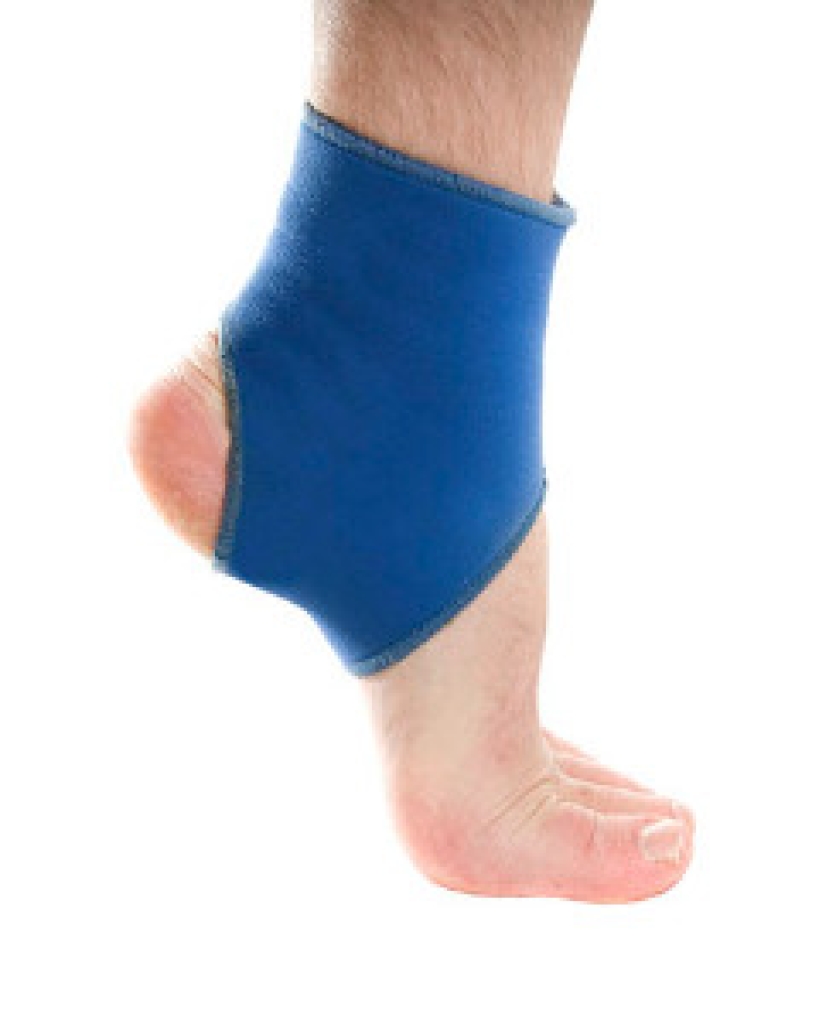
Common vs. High Ankle Sprains

Ankle sprains are one of the most common injuries that occur in the United States, and they are caused by a strain or tear in the ligaments that support the ankle. A common ankle sprain occurs to the ligaments that connect the end of the fibula to the talus bones on the outer side of the ankle. Symptoms include swelling, pain and a limited range of motion in the ankle. A high ankle sprain occurs when the ligaments above the ankle joint and between the tibia and fibula are damaged. Symptoms of a high ankle sprain usually involve a painful feeling coming from the ankle and going up the leg, but there is generally not a lot of swelling or bruising. If you believe that you are suffering from an ankle sprain, it is important to visit a podiatrist for proper treatment.

Although ankle sprains are common, they aren’t always minor injuries. If you need your ankle injury looked at, contact One of our podiatrists from Aurora Foot & Ankle Clinic. Our doctors can provide the care you need to keep you pain-free and on your feet.

How Does an Ankle Sprain Occur?

Ankle sprains are the result of a tear in the ligaments within the ankle. These injuries may happen when you make a rapid shifting movement while your foot is planted. A less common way to sprain your ankle is when your ankle rolls inward while your foot turns outward.

What Are the Symptoms?

  • Pain at the sight of the tear
  • Bruising/Swelling
  • Ankle area is tender to touch
  • In severe cases, may hear/feel something tear
  • Skin discoloration

Preventing a Sprain

  • Wearing appropriate shoes for the occasion
  • Stretching before exercises and sports
  • Knowing your limits

Treatment of a Sprain

In many cases, the RICE method (Rest, Ice, Compression, and Elevate) is used to treat ankle sprains. However, you should see a podiatrist to see which treatment option would work best with your injury. In severe cases, surgery may be required.

It is important to ask your doctor about rehab options after you receive treatment for your injury. Stretching, strength training, and balance exercises may help the ankle heal while also preventing further injury.

If you have any questions, please feel free to contact our office located in Langley, BC . We offer the newest diagnostic and treatment technologies for all your foot care needs.

Read more about Ankle Sprains

What Causes Cracked Heels?

Cracked heels involves the splitting and cracking of skin, also known as fissures, around the border of the heel. These cracked heels primarily occur when the skin becomes dried out, causing it to lose its strength and elasticity. This causes the skin to crack under pressure which can be very painful. Some factors that can lead to cracked heels include walking barefoot, wearing flip flops, standing for long hours on hard floors, dehydration, a decreased blood supply to the leg, and diabetes. If you are suffering from cracked heels, it is important to consult with a podiatrist for treatment. Treatment options may include a heel balm, a pumice stone, wearing close toed shoes, staying hydrated, and using a topical antiseptic in sever cases when there is bleeding.

Cracked heels are unsightly and can cause further damage to your shoes and feet. If you have any concerns, contact One of our podiatrists from Aurora Foot & Ankle Clinic. Our doctors can provide the care you need to keep you pain-free and on your feet.

Cracked Heels

Cracked heels appear unappealing and can make it harder for you walk around in sandals. Aside from looking unpleasant, cracked heels can also tear stockings, socks, and wear out your shoes. There are several methods to help restore a cracked heel and prevent further damage.

How Do You Get Them?

Dry skin is the number one culprit in creating cracked heels. Many athletes, walkers, joggers, and even swimmers suffer from cracked heels. Age and skin oil production play a role to getting cracked heels as well.

Promote Healing

Over the counter medicines can help, especially for those that need instant relief or who suffer from chronic dry feet.

Wear Socks – Wearing socks with medicated creams helps lock in moisture.

Moisturizers – Applying both day and night will help alleviate dryness which causes cracking.

Pumice Stones – These exfoliate and remove dead skin, which allows for smoother moisturizer application and better absorption into the skin. 

Change in Diet

Eating healthy with a well-balanced diet will give the skin a fresh and radiant look. Your body responds to the kinds of food you ingest. Omega-3 fatty acids and zinc supplements can also revitalize skin tissue.

Most importantly, seek professional help if unsure how to proceed in treating cracked heels. A podiatrist will help you with any questions or information needed. 

If you have any questions, please feel free to contact our office located in Langley, BC . We offer the newest diagnostic and treatment technologies for all your foot care needs.

Read more about Solutions for Cracked Heels

Possible Causes of Heel Pain

Heel pain can often be uncomfortable, and may be indicative of existing foot conditions. A common cause of heel pain is plantar fasciitis, which occurs as a result of a damaged or injured plantar fascia. The plantar fascia is the portion of tissue that connects the heel to the toes, and it can cause severe pain and discomfort if it becomes injured. Additional reasons for heel pain to develop can happen from being overweight, or from standing for extended periods of time throughout the day. Additionally, wearing shoes that do not fit correctly may be a cause of heel pain. Children who participate in running and jumping activities may be susceptible to developing Sever’s disease, which is a condition that affects the growth plate in the heel. If you are experiencing heel pain, it is strongly suggested that you consult with a podiatrist, who can properly diagnose and treat any type of heel pain, as quickly as possible.

Many people suffer from bouts of heel pain. For more information, contact One of our podiatrists of Aurora Foot & Ankle Clinic. Our doctors can provide the care you need to keep you pain-free and on your feet.

Causes of Heel Pain

Heel pain is often associated with plantar fasciitis. The plantar fascia is a band of tissues that extends along the bottom of the foot. A rip or tear in this ligament can cause inflammation of the tissue.

Achilles tendonitis is another cause of heel pain. Inflammation of the Achilles tendon will cause pain from fractures and muscle tearing. Lack of flexibility is also another symptom.

Heel spurs are another cause of pain. When the tissues of the plantar fascia undergo a great deal of stress, it can lead to ligament separation from the heel bone, causing heel spurs.

Why Might Heel Pain Occur?

  • Wearing ill-fitting shoes                
  • Wearing non-supportive shoes
  • Weight change           
  • Excessive running

Treatments

Heel pain should be treated as soon as possible for immediate results. Keeping your feet in a stress-free environment will help. If you suffer from Achilles tendonitis or plantar fasciitis, applying ice will reduce the swelling. Stretching before an exercise like running will help the muscles. Using all these tips will help make heel pain a condition of the past.

If you have any questions, please feel free to contact our office located in Langley, BC . We offer the newest diagnostic and treatment technologies for all your foot care needs.

Read more about Heel Pain