A child's gait, or walking pattern, changes as the body grows and develops. Learning to walk is only the beginning because balance, coordination, and muscle control continue to improve throughout childhood. As the feet, legs, and hips mature, children develop longer steps, better stability, and smoother movement. Every child reaches these milestones at a different pace, but healthy foot development plays an important role in normal gait. Some children walk with their toes turned inward or outward, while others walk on their toes or appear flat-footed. Many of these changes improve as children grow. Persistent pain, frequent tripping, uneven shoe wear, or difficulty keeping up with other children can indicate a problem that should be evaluated by a podiatrist.
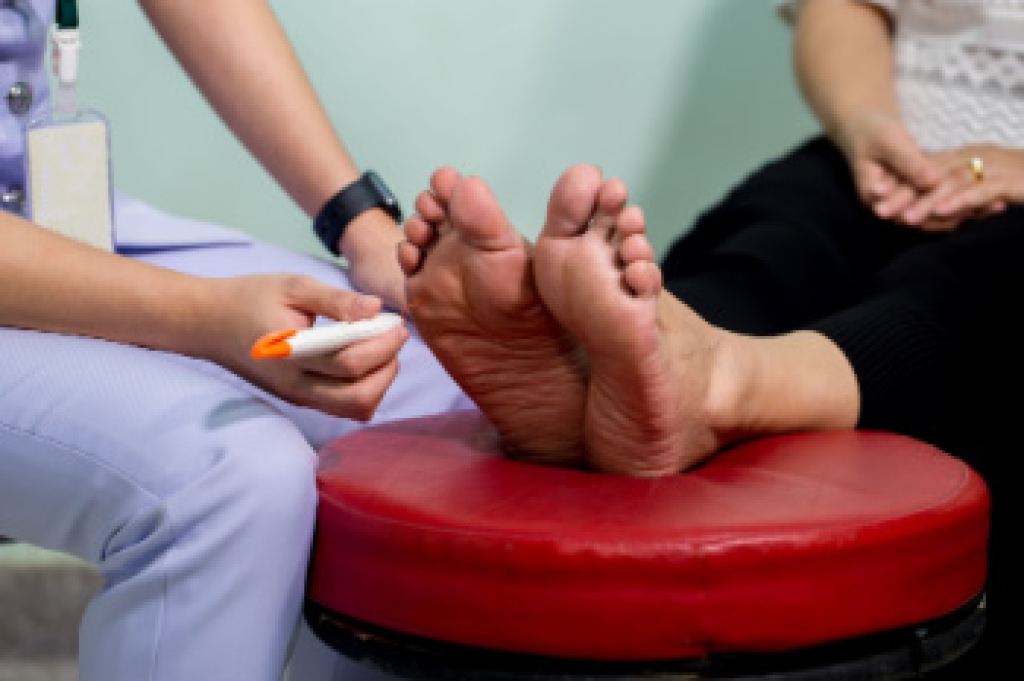
A podiatrist carefully examines a child's gait to determine whether the feet and legs are developing properly. The evaluation includes checking foot structure, joint movement, and flexibility. The podiatrist also observes how the child walks, runs, and changes direction because each movement provides important information about balance and foot function. Watching a child move can reveal differences in stride length, foot position, or weight distribution that are not noticeable during a seated examination. Early diagnosis allows abnormal movement patterns to be identified before they place unnecessary stress on the feet, knees, or hips. Regular evaluations also help monitor changes as the child continues to grow.
Treatment is based on the child's symptoms, age, and stage of development. A podiatrist can recommend shoes that fit properly and provide good support for growing feet. Care also includes custom orthotics when they improve foot alignment and encourage a healthier walking pattern. Guided exercises can strengthen muscles, improve balance, and support normal gait development. Routine follow-up visits allow the podiatrist to monitor progress as the child's walking pattern continues to mature. If your child has symptoms of foot pain or concerns about gait development, it is suggested that you schedule an appointment with a podiatrist for diagnosis and treatment.
The health of a child’s feet is vital to their overall well-being. If you have any questions regarding foot health, contact One of our podiatrists of Aurora Foot & Ankle Clinic. Our doctors can provide the care you need to keep you pain-free and on your feet.
Tips for Keeping Children's Feet Healthy
- Make sure their shoes fit properly
- Look for any signs of in-toeing or out-toeing
- Check to see if they have Clubfoot (condition that affects your child’s foot and ankle, twisting the heel and toes inward) which is one of the most common nonmajor birth defects.
- Lightly cover your baby’s feet (Tight covers may keep your baby from moving their feet freely, and could prevent normal development)
- Allow your toddler to go shoeless (Shoes can be restricting for a young child’s foot)
- Cut toenails straight across to avoid ingrown toenails
- Keep your child’s foot clean and dry
- Cover cuts and scrapes. Wash any scratches with soap and water and cover them with a bandage until they’ve healed.
If you have any questions, please feel free to contact our office located in Langley, BC . We offer the newest diagnostic and treatment technologies for all your foot care needs.