How a Podiatrist Diagnoses and Treats Broken Toes

A broken toe can result from stubbing the foot, dropping a heavy object on it, or taking a forceful step during sports. A big-toe fracture can be especially serious. The big toe helps the body balance and push forward while walking. Symptoms include pain, swelling, and bruising. The toe may also look crooked or feel too tender to touch. Some fractures extend into a joint or cause bone pieces to move out of position. A cut near the injury can signal an open fracture. This means the broken bone is exposed through a wound. Examination is important because a sprain, bone bruise, and fracture can cause similar symptoms.

A podiatrist can assess the injured toe. X-rays can confirm a fracture and show its location, pattern, and severity. Other imaging tests can provide more detail when nearby tissue damage is suspected. Treatment depends on which toe is broken and whether the bone remains aligned. A podiatrist can reposition a displaced bone so it heals correctly. This foot doctor can also protect the toe with taping, a splint, or a stiff-soled medical shoe. These measures limit painful movement and reduce pressure on the injured toe. Follow-up X-rays can track healing before the patient returns to demanding activities. Many broken toes heal within several weeks, although recovery varies with the injury.

Severe fractures sometimes need surgery. This can be necessary when a break enters a joint, bone pieces are widely separated, or the toe remains unstable. Pins, screws, or plates can hold the bone in place while it heals. Early treatment can lower the risk of lasting stiffness, deformity, and pain. Urgent evaluation is important when the toe looks misshapen, the skin is broken, or numbness develops. People with diabetes or poor circulation should seek immediate care because healing problems can be more serious. If you have broken your toe, it is suggested that you schedule an appointment with a podiatrist for effective relief and treatment. 

Broken toes may cause a lot of pain and should be treated as soon as possible. If you have any concerns about your feet, contact One of our podiatrists from Aurora Foot & Ankle Clinic. Our doctors will treat your foot and ankle needs.

What Is a Broken Toe?

A broken toe occurs when one or more of the toe bones of the foot are broken after an injury. Injuries such as stubbing your toe or dropping a heavy object on it may cause a toe fracture.

Symptoms of a Broken Toe

  • Swelling
  • Pain (with/without wearing shoes)
  • Stiffness
  • Nail Injury

Although the injured toe should be monitored daily, it is especially important to have a podiatrist look at your toe if you have severe symptoms. Some of these symptoms include worsening or new pain that is not relieved with medication, sores, redness, or open wounds near the toe.

If you have any questions please feel free to contact our office located in Langley, BC . We offer the newest diagnostic tools and technology to treat your foot and ankle needs.

Read more about What to Know About a Broken Toe

Ankle Sprains in Young Athletes

An ankle sprain occurs when the ligaments supporting the ankle are stretched or torn. Children and teenagers can develop sprains during sports, play, or daily activities. A sudden twist, awkward landing, or collision can force the ankle beyond its normal range. Symptoms may include pain, swelling, and trouble putting weight on the foot. Some sprains are mild, while others can cause significant ligament damage.

Sports are a common cause of ankle sprains in young people. Basketball, soccer, and running can involve quick movements that stress the ankle. Uneven surfaces and awkward landings may also increase injury risk. A previous ankle sprain can make another injury more likely, especially when the ankle has not fully healed. Children with repeated pain or ankle instability should receive an evaluation instead of playing through symptoms.

Some injuries require prompt attention because they may involve a fracture or another serious problem. Severe pain, major swelling, or the inability to bear weight can signal a trauma emergency. A podiatrist will review how the injury happened and examine the foot and ankle. Imaging tests may be recommended when a fracture is suspected. Treatment may include rest, compression, or wearing supportive footwear. Follow-up visits can help monitor healing.

Returning to sports too soon can increase the chance of another sprain. Children should gradually resume activities after pain and swelling improve. The ankle should also regain normal movement and strength before returning to demanding sports. Parents can watch for continued limping, swelling, or pain after an injury. Early treatment can help reduce the chance of lasting ankle problems. If your child or teenager has sustained an ankle sprain, it is suggested that you consult a podiatrist for effective relief and treatment solutions.

Although ankle sprains are common, they aren’t always minor injuries. If you need your ankle injury looked at, contact One of our podiatrists from Aurora Foot & Ankle Clinic. Our doctors can provide the care you need to keep you pain-free and on your feet.

How Does an Ankle Sprain Occur?

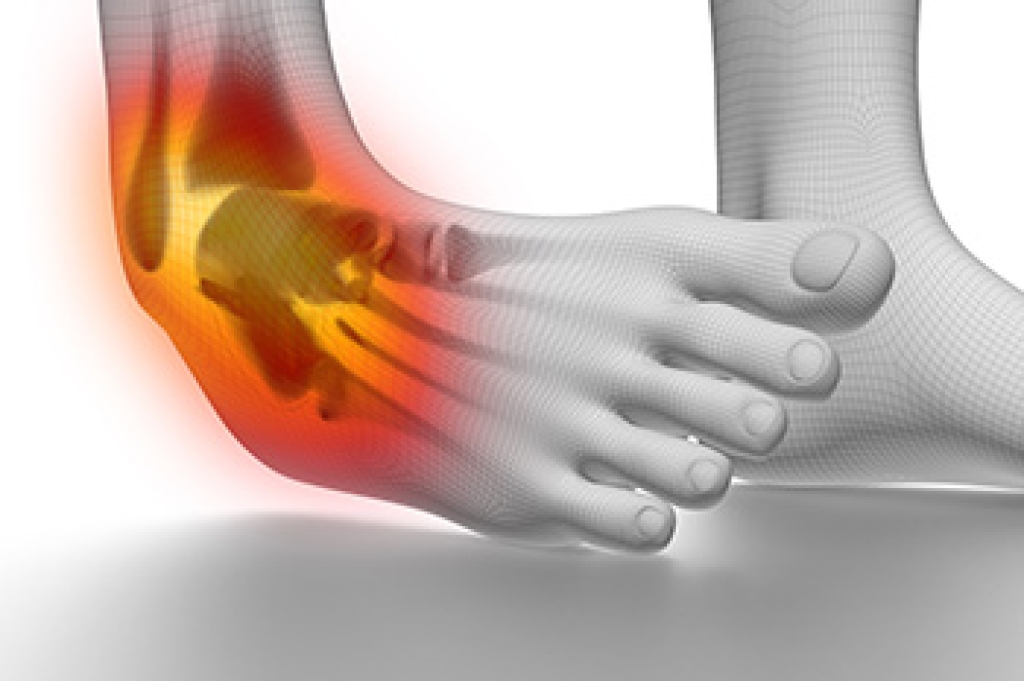
Ankle sprains are the result of a tear in the ligaments within the ankle. These injuries may happen when you make a rapid shifting movement while your foot is planted. A less common way to sprain your ankle is when your ankle rolls inward while your foot turns outward.

What Are the Symptoms?

  • Pain at the sight of the tear
  • Bruising/Swelling
  • Ankle area is tender to touch
  • In severe cases, may hear/feel something tear
  • Skin discoloration

Preventing a Sprain

  • Wearing appropriate shoes for the occasion
  • Stretching before exercises and sports
  • Knowing your limits

Treatment of a Sprain

In many cases, the RICE method (Rest, Ice, Compression, and Elevate) is used to treat ankle sprains. However, you should see a podiatrist to see which treatment option would work best with your injury. In severe cases, surgery may be required.

It is important to ask your doctor about rehab options after you receive treatment for your injury. Stretching, strength training, and balance exercises may help the ankle heal while also preventing further injury.

If you have any questions, please feel free to contact our office located in Langley, BC . We offer the newest diagnostic and treatment technologies for all your foot care needs.

Read more about Three Grades of Ankle Sprains

Custom Orthotics Seasonal - Any Season

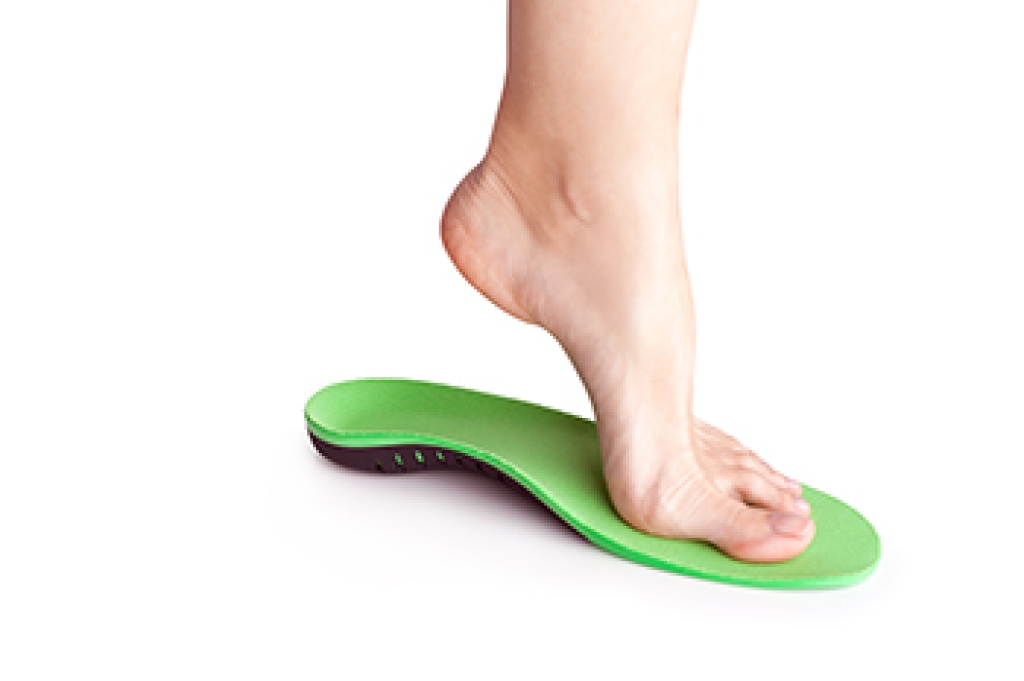
Rain or shine, snow or sleet, Custom Orthotics have your feet covered! As the seasons change, ensure your steps remain comfortable and supported. Custom Orthotics adapt to your footwear, from summer sandals to winter boots, providing consistent relief and alignment. Don't let the changing weather dictate your foot comfort. Step confidently year-round and experience the difference with Custom Orthotics. Call today for more information.

Running Smarter to Prevent Foot Stress Fractures

Running is a great way to stay active, but increasing training demands too quickly can place excessive stress on the feet. Foot stress occurs when repeated impact overwhelms the bones and supporting tissues. In some runners, this can develop into a stress fracture. Common symptoms include localized foot pain, tenderness, and swelling. Discomfort may begin during running and later continue during daily activities. Paying attention to these warning signs can help runners seek care early.

A sudden increase in running speed or mileage is a common cause of foot stress. Adding hills or longer distances without enough recovery time can also increase strain. Wearing the wrong running shoes may contribute when footwear lacks proper support, cushioning, or fit. Other risk factors include previous stress injuries, training on hard surfaces, and poor recovery. Rapidly changing workouts can also increase risk. Runners who ignore early pain may continue placing pressure on an area that needs time to heal.


A podiatrist can evaluate the foot, review training habits, and check for tenderness or swelling. Imaging tests may be recommended when a stress fracture is suspected. Treatment often begins with reducing activities that cause pain and protecting the injured foot. A podiatrist may recommend wearing supportive footwear, a walking boot, or temporary activity restrictions. Follow-up visits can help monitor healing and determine when running can safely resume safely.


Preventing running injuries starts with gradual training changes and adequate recovery between demanding workouts. Increase mileage and speed carefully. Replace worn running shoes and choose footwear suited to your foot shape and running needs. Never try to run through persistent pain, especially when walking also hurts. Early attention can support healing and reduce future complications. If you have developed a foot stress fracture from running, it is suggested that you consult a podiatrist for effective relief and treatment solutions.

Activities where too much pressure is put on the feet can cause stress fractures. To learn more, contact One of our podiatrists from Aurora Foot & Ankle Clinic. Our doctors can provide the care you need to keep your pain free and on your feet.

Dealing with Stress Fractures of the Foot and Ankle

Stress fractures occur in the foot and ankle when muscles in these areas weaken from too much or too little use.  The feet and ankles then lose support when walking or running from the impact of the ground. Since there is no protection, the bones receive the full impact of each step. Stress on the feet can cause cracks to form in the bones, thus creating stress fractures.

What Are Stress Fractures?

Stress fractures occur frequently in individuals whose daily activities cause great impact on the feet and ankles. Stress factors are most common among:

  • Runners                                
  • People affected with Osteoporosis
  • Tennis or basketball players
  • Gymnasts
  • High impact workouts

Symptoms

Pain from the fractures occur in the area of the fractures and can be constant or intermittent. It will often cause sharp or dull pain with swelling and tenderness. Engaging in any kind of activity which involves high impact will aggravate pain.

If you have any questions please contact our office located in Langley, BC . We offer the newest diagnostic and treatment technologies for all your foot and ankle needs.

Read more about Stress Fractures of the Foot and Ankle

Stiff Big Toe Pain Can Improve With Orthotics

Hallux rigidus is a form of arthritis that affects the metatarsophalangeal joint at the base of the big toe. As cartilage wears down, the joint can become stiff, painful, and difficult to move. Common symptoms include big toe pain, swelling around the joint, and reduced flexibility when walking. Symptoms may become more noticeable during activities that require the toe to bend, including walking, running, or climbing stairs. Some people also develop a noticeable bump on top of the joint.

Several factors can increase the risk of developing hallux rigidus. Previous injury to the big toe, repetitive stress, abnormal foot structure, and a family history of joint problems may contribute. Because symptoms can develop gradually, early evaluation is important. A podiatrist can examine foot movement, assess walking mechanics, and use X-rays when necessary. Repetitive forefoot pressure can also increase irritation.


Foot orthotics can help reduce stress on the big toe joint, particularly during the early stages of hallux rigidus. Depending on the individual foot structure, a podiatrist may recommend an orthotic device that supports alignment, limits painful joint motion, or redistributes pressure away from the affected area. Treatment may begin with a thorough examination and gait assessment, followed by footwear recommendations and a properly fitted orthotic. The podiatrist may also suggest activity changes and other conservative treatments. Orthotics do not reverse arthritis, but they may improve comfort and daily movement during everyday activities.


Early treatment can help manage hallux rigidus before stiffness and joint damage become more advanced. A podiatrist can monitor changes over time and adjust treatment. If you have hallux rigidus and want to explore using orthotics, it is suggested that you consult a podiatrist for effective relief and management solutions. 

Our feet carry us through every part of life, absorbing the impact of thousands of steps each day. When they are not properly supported, the effects can extend far beyond the feet themselves. Custom orthotics provide the foundation the body needs by aligning, cushioning, and stabilizing each foot in its most natural position. They are carefully crafted to match the unique structure of each individual’s feet, allowing them to move efficiently and comfortably while reducing stress on the muscles, joints, and ligaments.

Proper foot support is essential for maintaining balance and preventing fatigue. Without it, the body compensates by shifting weight unevenly, which can lead to discomfort in the ankles, knees, hips, or lower back. Custom orthotics help restore this balance by redistributing pressure and promoting a more natural walking pattern. They not only ease existing pain but also protect against future strain or injury by supporting the arches and controlling excessive motion.

Unlike store-bought insoles, custom orthotics are created through detailed assessment and advanced technology to provide precise correction and comfort. They fit seamlessly into most shoes, making them ideal for daily wear, work, or sports.

If your feet feel tired, sore, or unsupported, it is recommended that you contact our office for more information, or to make an appointment.

If you have any questions please contact our office located in Langley, BC . 

Read more about Sole Marketing Supporting Our Feet