Are You Suffering From Tarsal Tunnel Syndrome?

The tarsal tunnel is a narrow tunnel in the ankle, next to the ankle bone, that serves as a pathway for nerves, veins, arteries and tendons. Tarsal tunnel syndrome occurs when the tibial nerve in this tunnel gets squeezed or pressed. Common causes of tarsal tunnel syndrome include osteoarthritis, rheumatoid arthritis, diabetes, overpronation (rolling) of the foot, or a cyst or ganglion that can form near the tunnel. Symptoms of tarsal tunnel syndrome include a burning pain that radiates to the arch of the foot, numbness in the sole of the foot and worsening of symptoms after running or standing for a long time. If you believe that you might be suffering from tarsal tunnel syndrome, it is important to visit a podiatrist for a proper diagnosis and treatment. Treatment options that may be considered include cold therapy, medication, injections, specific exercises, corticosteroid injections or surgery.

Tarsal tunnel syndrome can be very uncomfortable to live with. If you are experiencing tarsal tunnel syndrome, contact One of our podiatrists of Aurora Foot & Ankle Clinic. Our doctors can provide the care you need to keep you pain-free and on your feet.

Tarsal Tunnel Syndrome

Tarsal tunnel syndrome, which can also be called tibial nerve dysfunction, is an uncommon condition of misfiring peripheral nerves in the foot. The tibial nerve is the peripheral nerve in the leg responsible for sensation and movement of the foot and calf muscles. In tarsal tunnel syndrome, the tibial nerve is damaged, causing problems with movement and feeling in the foot of the affected leg.

Common Cause of Tarsal Tunnel Syndrome

  • Involves pressure or an injury, direct pressure on the tibial nerve for an extended period of time, sometimes caused by other body structures close by or near the knee.
  • Diseases that damage nerves, including diabetes, may cause tarsal tunnel syndrome.
  • At times, tarsal tunnel syndrome can appear without an obvious cause in some cases.

The Effects of Tarsal Tunnel Syndrome

  • Different sensations, an afflicted person may experience pain, tingling, burning or other unusual sensations in the foot of the affected leg.
  • The foot muscles, toes and ankle become weaker, and curling your toes or flexing your foot can become difficult.
  • If condition worsens, infections and ulcers may develop on the foot that is experiencing the syndrome.

A physical exam of the leg can help identify the presence of tarsal tunnel syndrome. Medical tests, such as a nerve biopsy, are also used to diagnose the condition. Patients may receive physical therapy and prescriptive medication. In extreme cases, some may require surgery.

If you have any questions please contact our office located in Langley, BC . We offer the newest diagnostic and treatment technologies for all your foot and ankle needs.
Read more about Tarsal Tunnel Syndrome

What to Do During a Gout Attack

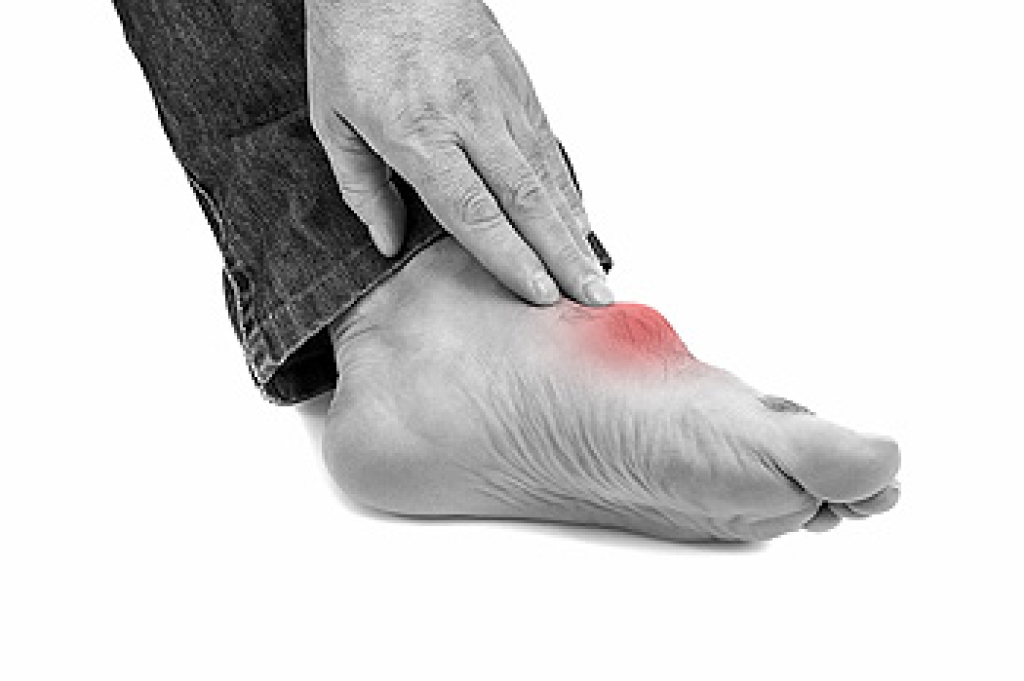
Excess levels of uric acid in the blood may lead to the medical condition that is known as gout. Crystals can form in the joints of the big toe, and this can cause severe pain and discomfort. Additional symptoms that patients experience may consist of swelling, heat and redness, and it may become difficult to walk. Gout is considered to be a form of arthritis and it can develop for a variety of reasons. These can include genetic factors, eating foods that have high purine levels, or from taking certain medications. When a gout attack occurs it can be beneficial to rest and elevate the affected foot, as well as apply ice packs and take anti-inflammatory medication, and the pain may be reduced. Gout can be a debilitating foot condition, which is why you should consult with a podiatrist as quickly as possible so correct treatment options can be discussed.

Gout is a foot condition that requires certain treatment and care. If you are seeking treatment, contact One of our podiatrists from Aurora Foot & Ankle Clinic. Our doctors will treat your foot and ankle needs.

What Is Gout?

Gout is a type of arthritis caused by a buildup of uric acid in the bloodstream. It often develops in the foot, especially the big toe area, although it can manifest in other parts of the body as well. Gout can make walking and standing very painful and is especially common in diabetics and the obese.

People typically get gout because of a poor diet. Genetic predisposition is also a factor. The children of parents who have had gout frequently have a chance of developing it themselves.

Gout can easily be identified by redness and inflammation of the big toe and the surrounding areas of the foot. Other symptoms include extreme fatigue, joint pain, and running high fevers. Sometimes corticosteroid drugs can be prescribed to treat gout, but the best way to combat this disease is to get more exercise and eat a better diet.

If you have any questions, please feel free to contact our office located in Langley, BC . We offer the newest diagnostic and treatment technologies for all your foot care needs.

Read more about Gout

Solutions for Sweaty Feet

Roughly 5 percent of people suffer from plantar hyperhidrosis, also known as excessively sweaty feet. This primarily occurs when the sweat glands are activated longer than they should be, and this often leads to issues such as soggy footwear, athletes foot, fungal nail infections, and constantly cold feet. Managing this condition requires a few key steps. First, make sure to wash and dry your feet daily. Secondly, use an antifungal powder to keep the feet dry, and find an antiperspirant to use at night. Breathable shoes and socks are also helpful in managing sweaty feet. Those who continue to suffer from plantar hyperhidrosis should visit a podiatrist. A podiatrist will be able to suggest treatment options such as medication, botox, and iontophoresis.

If you are suffering from hyperhidrosis contact One of our podiatrists of Aurora Foot & Ankle Clinic. Our doctors can provide the care you need to attend to all of your foot and ankle needs.

Hyperhidrosis of the Feet

Hyperhidrosis is a rare disorder that can cause people to have excessive sweating of their feet. This can usually occur all on its own without rigorous activity involved. People who suffer from hyperhidrosis may also experience sweaty palms.

Although it is said that sweating is a healthy process meant to cool down the body temperature and to maintain a proper internal temperature, hyperhidrosis may prove to be a huge hindrance on a person’s everyday life.

Plantar hyperhidrosis is considered to be the main form of hyperhidrosis. Secondary hyperhidrosis can refer to sweating that occurs in areas other than the feet or hands and armpits. Often this may be a sign of it being related to another medical condition such as menopause, hyperthyroidism and even Parkinson’s disease.

In order to alleviate this condition, it is important to see your doctor so that they may prescribe the necessary medications so that you can begin to live a normal life again. If this is left untreated, it is said that it will persist throughout an individual’s life.

A last resort approach would be surgery, but it is best to speak with your doctor to find out what may be the best treatment for you.

If you have any questions, please feel free to contact our office located in Langley, BC . We offer the newest diagnostic and treatment technologies for all your foot care needs.

Read more about Hyperhidrosis of the Feet

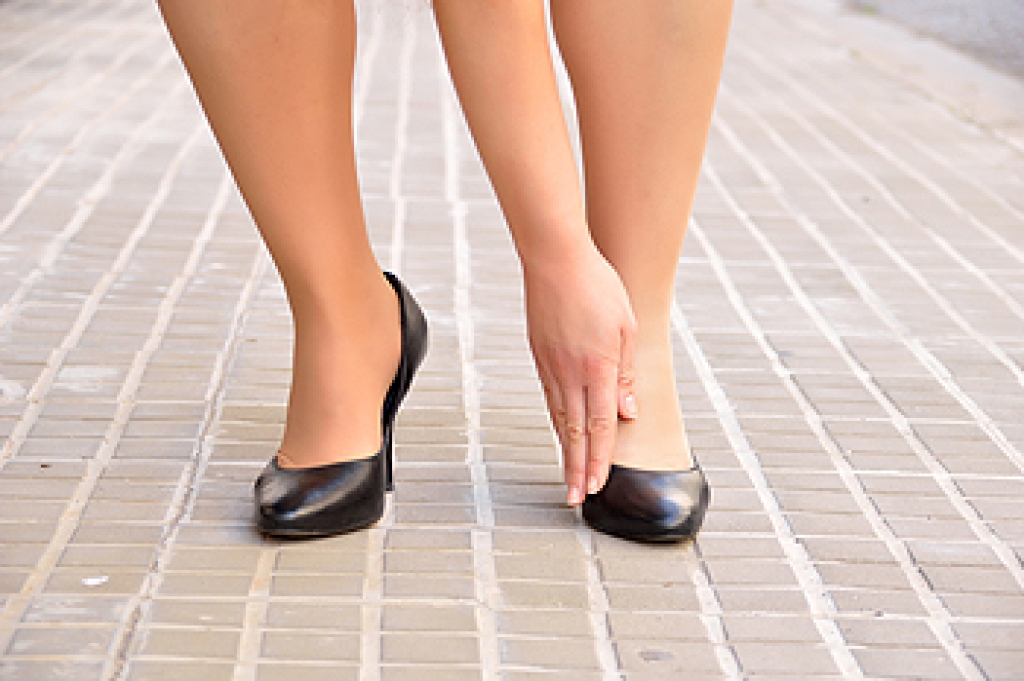
Wearing High Heels May Contribute To Certain Foot Conditions

When high heels are frequently worn, it may lead to the development of various foot conditions. These foot ailments can include plantar fasciitis, bunions, corn and calluses, or hammertoes. Patients who choose to have surgery performed may find wearing high heels to be more comfortable afterward, despite the fact that wearing this type of shoe may have initially caused the pain and discomfort. When high heels are worn, it can be easier for the ankle to twist, which may result in a fracture or sprain. It is generally suggested to wear flat shoes after surgery, and once flexibility, range of motion, and strength in the feet are restored, the body and feet can be more prepared to wear heels again. If you would like additional information about foot conditions that may be caused from wearing high heels, please consult with a podiatrist.

High heels have a history of causing foot and ankle problems. If you have any concerns about your feet or ankles, contact One of our podiatrists from Aurora Foot & Ankle Clinic. Our doctors can provide the care you need to keep you pain-free and on your feet.

Effects of High Heels on the Feet

High heels are popular shoes among women because of their many styles and societal appeal.  Despite this, high heels can still cause many health problems if worn too frequently.

Which Parts of My Body Will Be Affected by High Heels?

  • Ankle Joints
  • Achilles Tendon – May shorten and stiffen with prolonged wear
  • Balls of the Feet
  • Knees – Heels cause the knees to bend constantly, creating stress on them
  • Back – They decrease the spine’s ability to absorb shock, which may lead to back pain.  The vertebrae of the lower back may compress.

What Kinds of Foot Problems Can Develop from Wearing High Heels?

  • Corns
  • Calluses
  • Hammertoe
  • Bunions
  • Morton’s Neuroma
  • Plantar Fasciitis

How Can I Still Wear High Heels and Maintain Foot Health?

If you want to wear high heeled shoes, make sure that you are not wearing them every day, as this will help prevent long term physical problems.  Try wearing thicker heels as opposed to stilettos to distribute weight more evenly across the feet.  Always make sure you are wearing the proper shoes for the right occasion, such as sneakers for exercising.  If you walk to work, try carrying your heels with you and changing into them once you arrive at work.  Adding inserts to your heels can help cushion your feet and absorb shock. Full foot inserts or metatarsal pads are available. 

If you have any questions, please feel free to contact our office located in Langley, BC . We offer the newest diagnostic and treatment technologies for all your foot care needs.

Read more about Effect of High Heels on the Feet