Pros and Cons of Plantar Fasciitis Surgery

Plantar fasciitis causes pain in the bottom of the heel and arch of the foot. It develops when the plantar fascia, a strong band of tissue that supports the arch, becomes damaged and irritated. Many people experience sharp pain with their first steps in the morning or after periods of rest. While most patients improve with treatment provided by a podiatrist, a small number continue to have severe pain that affects daily activities. When symptoms remain intense and limit mobility, surgery may be considered. A podiatrist will carefully evaluate the foot and review previous treatment efforts before recommending an operation. Surgery for plantar fasciitis is usually reserved for cases that have not responded to other forms of care. This is especially true where pain interferes with work, exercise, or normal movement.

The most common procedure is called a plantar fasciotomy. During this surgery, part of the plantar fascia is released to reduce tension and relieve pain. The procedure can be performed through a traditional incision or with smaller surgical tools. A podiatrist will determine which approach is most appropriate based on the severity of the condition. The goal is to decrease strain on the damaged tissue while preserving foot function. As with any surgery, there are risks. These include continued pain, scar discomfort, and changes in the way the foot bears weight. For this reason, surgery is recommended only after a thorough examination and discussion of expected results.

Research has shown encouraging outcomes for many patients who undergo plantar fasciitis surgery. One long-term study found that most patients reported a major reduction in pain and were satisfied with the results years after the procedure. Greater success was seen in patients who had surgery earlier in the course of persistent symptoms. A podiatrist can explain the benefits, risks, and recovery process while helping patients decide whether surgery is an appropriate option. If you have extremely painful plantar fasciitis, it is suggested that you schedule an appointment with a podiatrist to discuss the benefits of this type of foot surgery.

Plantar fasciitis can be very painful and inconvenient. If you are experiencing heel pain or symptoms of plantar fasciitis, contact One of our podiatrists  from Aurora Foot & Ankle Clinic. Our doctors can provide the care you need to keep you pain-free and on your feet.

What Is Plantar Fasciitis?

Plantar fasciitis is the inflammation of the thick band of tissue that runs along the bottom of your foot, known as the plantar fascia, and causes mild to severe heel pain.

What Causes Plantar Fasciitis?

  • Excessive running
  • Non-supportive shoes
  • Overpronation
  • Repeated stretching and tearing of the plantar fascia

How Can It Be Treated?

  • Conservative measures – anti-inflammatories, ice packs, stretching exercises, physical therapy, orthotic devices
  • Shockwave therapy – sound waves are sent to the affected area to facilitate healing and are usually used for chronic cases of plantar fasciitis
  • Surgery – usually only used as a last resort when all else fails. The plantar fascia can be surgically detached from the heel

While very treatable, plantar fasciitis is definitely not something that should be ignored. Especially in severe cases, speaking to your doctor right away is highly recommended to avoid complications and severe heel pain. Your podiatrist can work with you to provide the appropriate treatment options tailored to your condition.

If you have any questions, please feel free to contact our office located in Langley, BC . We offer the newest diagnostic and treatment technologies for all your foot care needs.

Read more about Plantar Fasciitis

Straight Toes and a Strong Foundation

In Pilates, toes play a role in guiding the body. When toes point ahead, alignment begins at the feet and travels through the ankles, knees, hips, and spine. The foot contains three arches: the transverse arch, the lateral longitudinal arch, and the medial longitudinal arch. These arches work together to absorb shock and provide stability. When these arches weaken or collapse, a condition called overpronation may occur, with feet rolling inward and toes drifting outward. This can develop from strain, poor biomechanics, or improper habits. Patients may notice imbalance or discomfort during movement. A podiatrist can evaluate structure, prescribe custom orthotics, and guide correction to restore function and control. If you have foot or ankle pain, it is suggested that you consult a podiatrist who can offer effective relief tips and guide you on additional methods that can stretch the feet.

If you have any concerns about your feet, contact One of our podiatrists from Aurora Foot & Ankle Clinic. Our doctors can provide the care you need to keep you pain-free and on your feet.

Biomechanics in Podiatry

Podiatric biomechanics is a particular sector of specialty podiatry with licensed practitioners who are trained to diagnose and treat conditions affecting the foot, ankle and lower leg. Biomechanics deals with the forces that act against the body, causing an interference with the biological structures. It focuses on the movement of the ankle, the foot and the forces that interact with them.

A History of Biomechanics

  • Biomechanics dates back to the BC era in Egypt where evidence of professional foot care has been recorded.
  • In 1974, biomechanics gained a higher profile from the studies of Merton Root, who claimed that by changing or controlling the forces between the ankle and the foot, corrections or conditions could be implemented to gain strength and coordination in the area.

Modern technological improvements are based on past theories and therapeutic processes that provide a better understanding of podiatric concepts for biomechanics. Computers can provide accurate information about the forces and patterns of the feet and lower legs.

Understanding biomechanics of the feet can help improve and eliminate pain, stopping further stress to the foot.

If you have any questions please feel free to contact our office located in Langley, BC . We offer the newest diagnostic and treatment technologies for all your foot and ankle needs.


Read more about The Importance of Biomechanics in Podiatry

Inspect Your Feet Regularly for Abnormalities if You're Diabetic

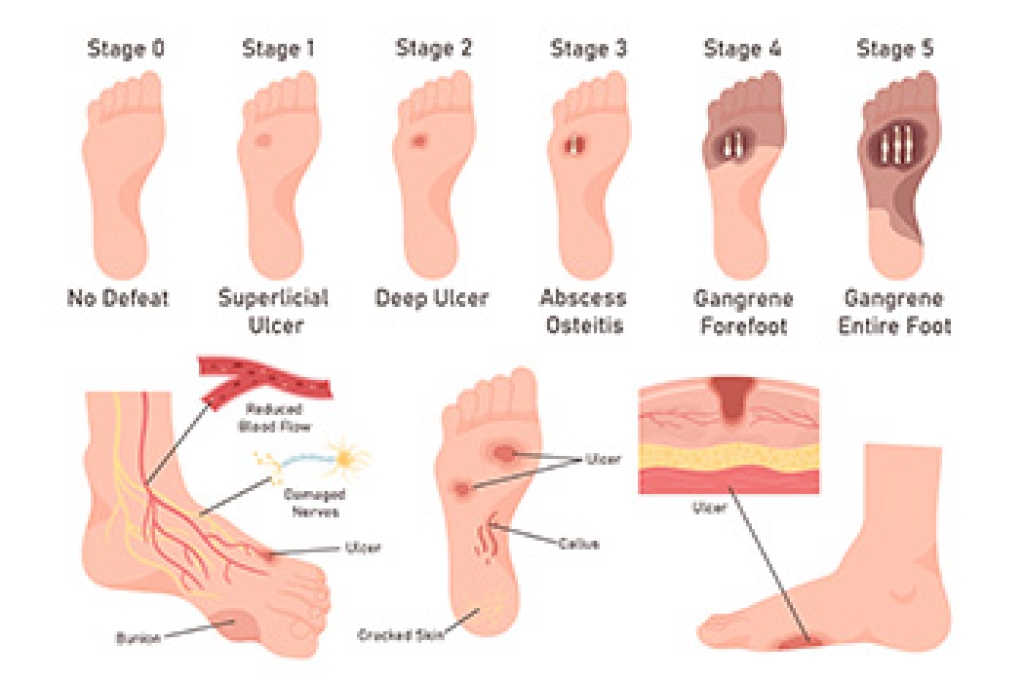
Diabetic patients often have decreased sensitivity in their feet, which makes a visual inspection of the feet even more important. If you're diabetic, having periodic screenings is extremely important for maintaining the overall health of your feet. 

Custom Orthotics For Ankle Stability

Step with assurance, thanks to enhanced ankle stability from orthotics! If you're active and on the move, Custom Orthotics are your ally for stronger, steadier ankles. They align your foot and ankle, reducing the risk of sprains and offering solid support for every stride. Don’t let instability hold you back. Try Custom Orthotics from our office, and discover unshakable confidence in every step!

Foot Pain in Later Years

Foot pain in older adults can come from several conditions that affect bones, joints, and soft tissue. A stress fracture is a small crack in a bone that may occur after a fall or repeated pressure, often causing swelling and sharp pain with movement. Plantar fasciitis is irritation of the thick band along the bottom of the foot, leading to heel pain that feels worse with the first steps in the morning. Additionally, arthritis involves joint inflammation that can cause stiffness, aching, and reduced mobility over time. Risk increases with age, balance changes, and long term wear on the feet. A podiatrist can identify the source of pain, confirm diagnoses with imaging, and create a treatment plan to improve comfort and mobility. If you have developed foot pain as you age, it is suggested that you consult a podiatrist who can offer appropriate relief and treatment solutions.

If you need your feet checked, contact One of our podiatrists of Aurora Foot & Ankle Clinic. Our doctors will attend to all of your foot and ankle needs and provide you with quality treatment.

Geriatrics and Podiatry
When people age, some common issues that may occur are bone density loss, dry skin, poor circulation, and rough brittle nails. These issues may also affect your foot health if the necessary steps are not taken to alleviate the problems.

It is important to take care of your feet because feet that are injured or diseased can affect your overall health. Having painful feet hinders your ability to do daily activities or may decrease your willingness to do the things that you need to do.

Visiting Your Geriatrician
As we age, health problems become more likely, so it is essential to visit your doctor for check-ups to ensure that you are doing the best you can to take care of your health. It is recommended to check your feet frequently for any possible cuts, bruises, swelling, corns or any other irregularities. 

Taking Care of Elderly Feet
Cracked or dry feet can be treated by applying moisturizer often. It is also important not to wear old socks because the older the sock is, the higher the possibility there will be that there is bacteria there. Wear fresh socks and make sure they fit properly.

Proper foot health means that you can have a more active lifestyle and you will not be bogged down by pain. Foot health also leads to good circulation, which is paramount for overall health.

If you have any questions, please feel free to contact our office located in Langley, BC . We offer the newest diagnostic and treatment technologies for all your foot care needs.

Read more about Geriatrics and Podiatry